
Readers Plug
Concept
With the opening of the American Foundation for the Blind’s recording studio in 1932, books were first recorded on gramophone plates as audiobooks. The plate held each for fifteen minutes on each side. The amendment allowing the US Library of Congress to start making audiobooks was approved by the US Congress the following year. The first recordings were made of plays by William Shakespeare, the United States Constitution, and Gladys Hasty Carroll’s book “As the Earth Turns.” Slowly, more record labels have appeared, most of them serving the blind. The Hearing Bookstore rose to prominence as the primary supplier of books with registration in 1955. In the 1960s and the 1980s, new technology helped propel the growth of cassettes and compact discs, respectively. The phrase “audiobooks” made a comeback in 1994.
As audiobooks gained popularity, countless devices with the best apps to “digest” this type of reading through the ear proliferated. There are many paid platform subscriptions, including Amazon’s Audible, that we can download to our smartphones, iPads, computers, and Kindle devices. However, there are also many free apps, including “Hoopla” and “Overdrive.” Additionally, devices created specifically for reading audiobooks are offered for sale and can be found in bookstores all over the world.
Sales of audiobooks are exploding while those of physical books and e-books are generally declining in the publishing industry. In 2016, the American Audio Association reported sales of $ 2.1 billion worth of audiobooks, an 18.2% increase from the previous year. Physical books with coarse-grained sales totalled $ 1.8 billion. There are now more audiobooks than ever before. In 2016, 51,000 audiobooks were released, a significant increase from the 7,200 in 2011. Publishers are now using audiobooks as a quicker and more popular option.
Problem Statement
The arrival of the train or social interactions with other people frequently cause us to stop reading while we’re on the go. We often start reading interesting articles but stop reading them or add them to our ever-expanding “read later” list. The newest trends to address this issue are audiobooks and podcasting. However, users of audiobooks do not benefit from the advantages of bookmarking pages, underlining relevant passages, or making notes on their favourite pages. The audio experience on mobile devices is extremely lacking in this case.
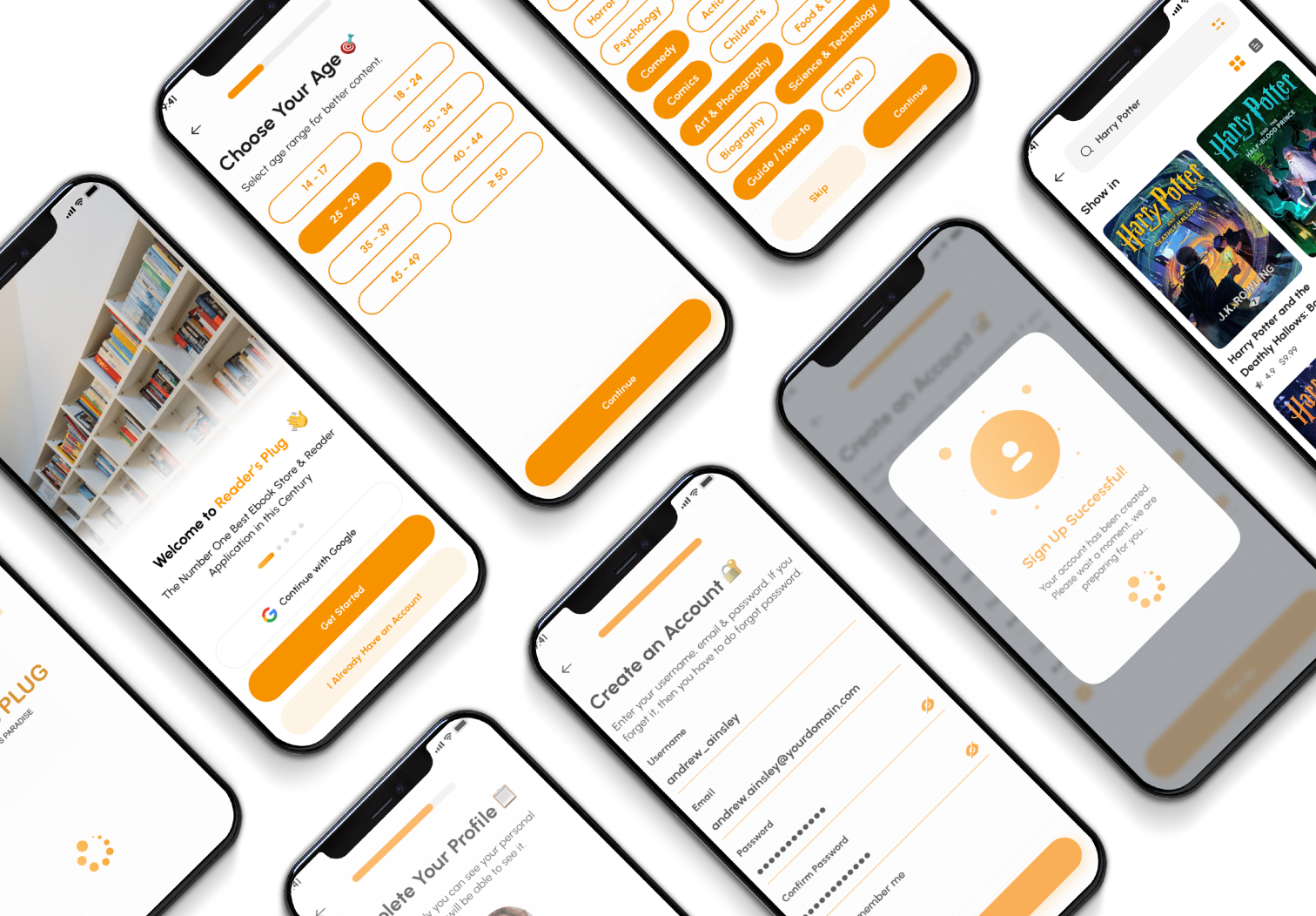
Mock Up
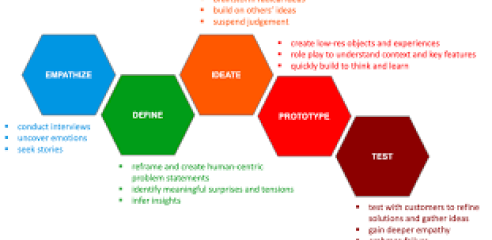
Design Process
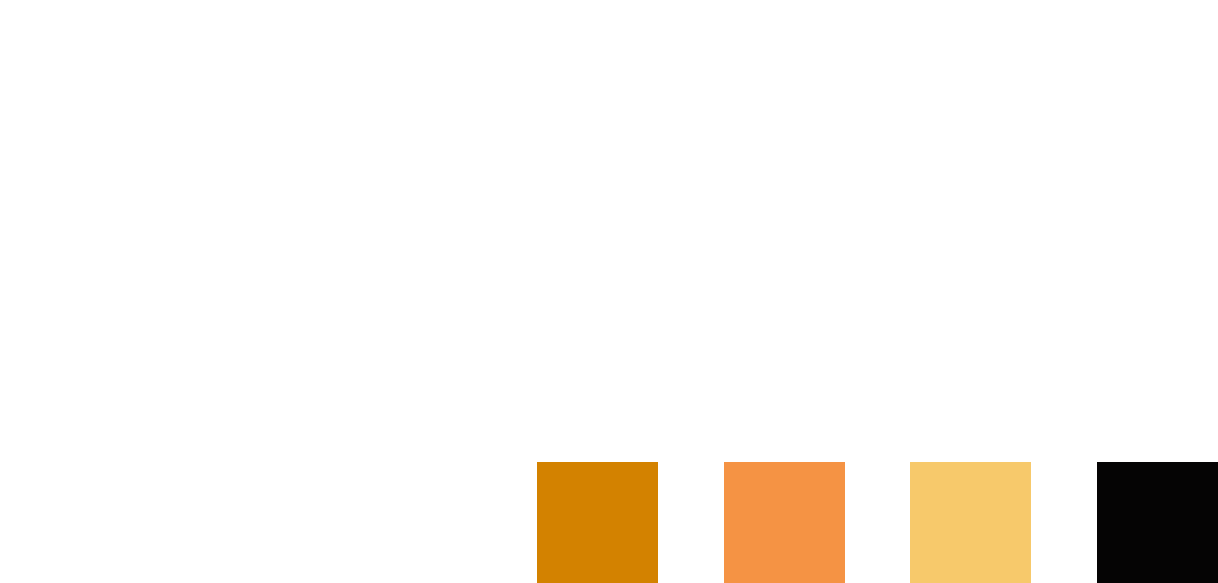
Typography and Colours
Vision Connect is a creative and digital agency that gives your brand the EDGE.
Copyright © 2025. All rights reserved. Developed by Vision Connect